
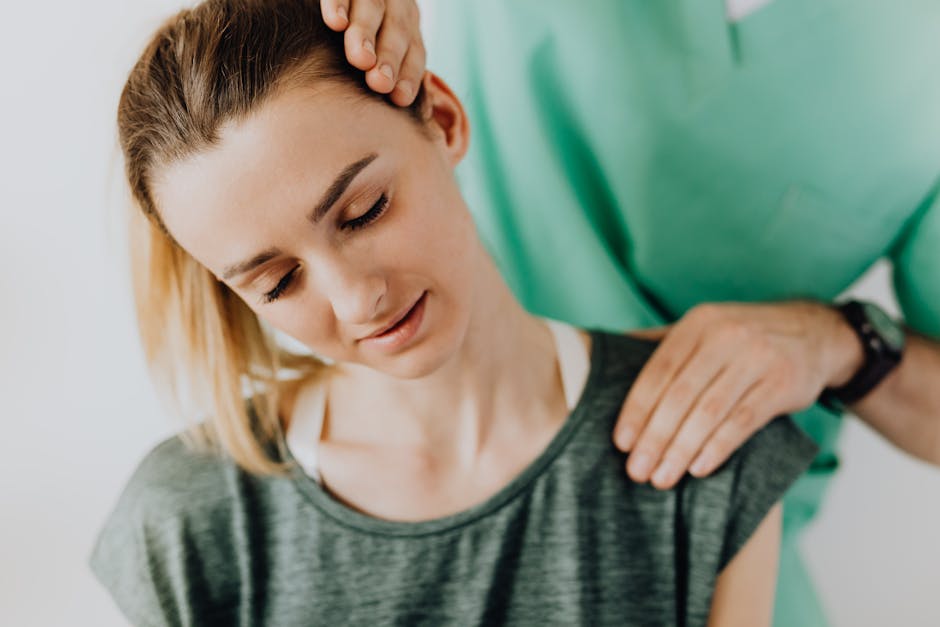
If you’ve ever heard a clicking, popping, or cracking noise coming from your neck when you turn your head, you’re not alone. For many residents living and working in Beacon, New York, neck clicking is a common concern brought up during chiropractic visits. Whether you’re an artist hunched over your canvas at the Howland Cultural Center, a commuter looking down at your phone at the Beacon train station, or an outdoor enthusiast enjoying the trails on Mount Beacon, neck discomfort—sometimes accompanied by clicking—can be a familiar experience.
Understanding what causes neck clicking and whether it’s something to worry about can help you take control of your spinal health and maintain an active lifestyle in our beautiful Hudson Valley community.
What is Neck Clicking?
Neck clicking refers to any sounds such as pops, cracks, or snaps that occur when you move your neck side to side, up and down, or even when you’re sitting still. These sounds may be accompanied by sensations ranging from painless "pops" to discomfort or stiffness.
Occasional Vs. Persistent Clicking
- Occasional clicking with no pain or stiffness is typically not a cause for concern.
- Persistent clicking or clicking accompanied by pain, swelling, or reduced range of motion may warrant a professional check-up.
Why Does Neck Clicking Happen?
There are several reasons why clicking in the neck occurs. While some causes are benign, others may signal an underlying issue that needs attention.
1. Gas Bubble Release (Cavitation)
The most frequent cause of neck clicking is the release of gas bubbles from the synovial fluid within your facet joints. This is similar to the sound you hear when you crack your knuckles.
- How it happens: Movements of the neck stretch the joint capsule, reducing pressure and allowing dissolved gases (mainly nitrogen) to form bubbles and “pop.”
- Is it harmful? For most people, this is completely harmless and doesn’t indicate any injury or degeneration.
2. Tendon or Ligament Movement
Tendons and ligaments surrounding the cervical spine (neck) can sometimes shift position over the bony structures as you move your head.
- Lifestyle factors: In Beacon, where many residents enjoy hiking, cycling, or practicing yoga, repetitive neck motions or prolonged postures may increase the likelihood of these tissues snapping over bone—creating a noticeable click.
3. Joint Dysfunction or Misalignment
The cervical spine’s facet joints can sometimes become misaligned or restricted in their movement, causing abnormal joint tracking as you move your head. This may cause a clicking, grinding, or popping sound.
- Chiropractic perspective: If you notice neck clicking combined with decreased range of motion, stiffness, or discomfort, a chiropractic assessment might be helpful to detect and address joint dysfunction.
4. Degeneration or Osteoarthritis
As we age, normal wear and tear or previous injuries can lead to degeneration in the cervical spine, particularly in the discs and cartilage.
- Symptoms: Clicking associated with neck pain, stiffness, radiating pain, or numbness could mean arthritis or cervical spondylosis is at play.
- Beacon context: Cold, damp winters near the Hudson River can sometimes exacerbate stiffness and symptoms in individuals with arthritis.
5. Previous Injury or Trauma
People who have experienced previous accidents, such as slipping on icy sidewalks during Beacon winters or minor fender-benders on Main Street, may have lingering joint instability or scar tissue that affects neck mechanics.
- Common results: This can make the neck more prone to clicking, especially after whiplash-type injuries.
Should You Be Worried About Neck Clicking?
For most people, neck clicking that is painless and occasional does not suggest anything serious. It’s often just a sign of normal joint movement. However, you should seek professional evaluation if:
- The clicking is constant or getting worse
- The sound is accompanied by pain, numbness, weakness, or tingling in your arm or hand
- You develop headaches or dizziness with neck movement
- There is a history of significant recent trauma (like a fall on the Fishkill Ridge Trail)
- The neck feels unstable or “wobbly”
Tips to Prevent or Reduce Neck Clicking in Beacon
Living in Beacon offers plenty of opportunity for activity, but it can also mean long days spent at a desk, in the studio, or commuting to NYC. Here’s how to keep your neck healthy:
- Maintain good posture: Whether you’re browsing the art galleries or working remotely at a Beacon café, keep your screen at eye level and avoid slouching.
- Take movement breaks: If you sit for long periods, set a reminder to gently stretch and move your neck every hour.
- Stay active: Local walking trails and parks are perfect places for gentle exercise that helps strengthen the muscles supporting your spine.
- Practice safe lifting: When moving heavy items at home or work, always use proper lifting techniques to avoid straining your neck and back.
When to See a Chiropractor in Beacon, NY
Chiropractic care can help diagnose and manage mechanical causes of neck clicking, especially when related to joint dysfunction, muscle tension, or lifestyle habits. A tailored approach can address your unique activities and needs as a Beacon resident—whether you’re paddling on the Hudson, working with your hands, or enjoying retirement in the heart of Dutchess County.
Chiropractors also collaborate with other healthcare providers in the Hudson Valley to ensure comprehensive care for more complex issues, such as arthritis or nerve involvement.
Conclusion
Hearing your neck click can be unsettling, but in most cases, it’s not a sign of something dangerous. However, persistent or painful clicking should be evaluated, especially if it affects your day-to-day enjoyment of everything Beacon, NY has to offer.
Stay active, mind your posture, and don’t hesitate to seek professional help if you notice changes in your neck that concern you. A healthy neck means you can keep exploring, creating, and thriving in our vibrant Beacon community!
