
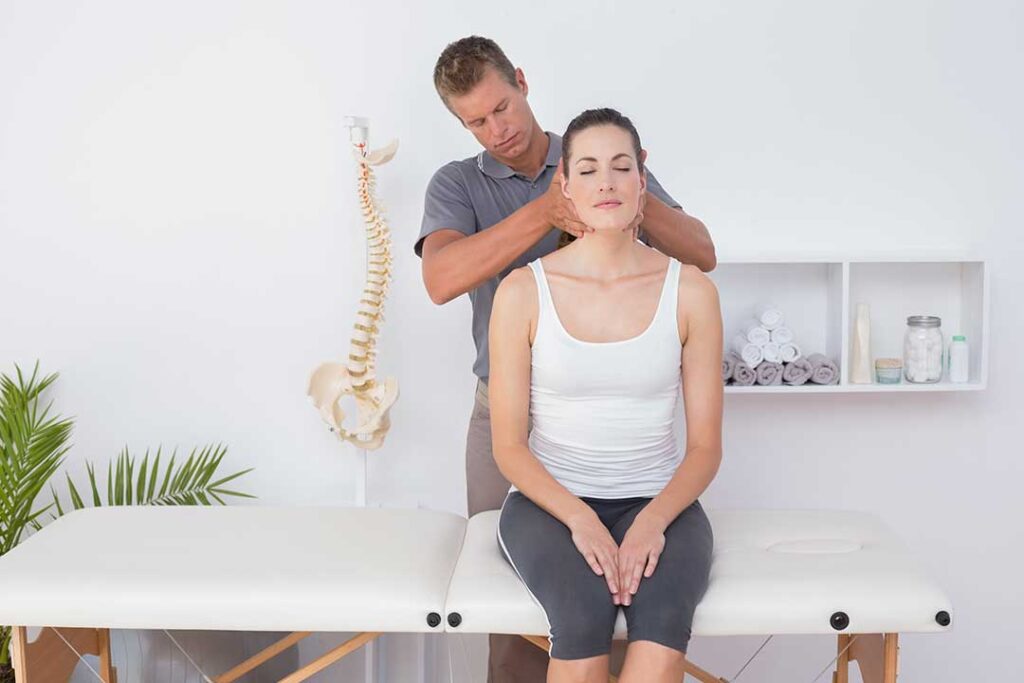
What Is Referred Pain?
Referred pain describes a situation where discomfort is felt in a part of the body other than its true source. This isn’t just a trick of the mind—it’s a quirk of how nerves relay signals to the brain. For example, an issue in your neck might lead to pain felt in your shoulder or arm. In Beacon, NY, residents might notice this phenomenon whether from daily life, local outdoor activities, or routine work demands.
Nerve pathways from different body regions often overlap. As a result, the brain can sometimes misinterpret where a problem is located. Recognizing referred pain is crucial for getting the right care and avoiding confusion with injuries or conditions in the wrong body part.
Why Does Referred Pain Happen?
Referred pain happens due to the body’s complex nervous system. When nerves from multiple areas share routes to the brain, the source gets jumbled. For example:
- Structures near the spine, like muscles or discs, can send pain signals down the arms or legs—even if the limb itself is unharmed.
- Organs, such as the heart, may cause pain in the back, jaw, or left arm during a heart attack.
Local households should be aware that referred pain isn’t rare—many common musculoskeletal issues produce these confusing patterns.
How Do People Commonly Experience Referred Pain?
Many people in the community have experienced referred pain, but may not have realized it at the time. Some typical examples include:
- Lower back problems that cause pain or numbness in the buttocks or legs
- Neck tension or injury that leads to headaches or tingling in the fingers
- Shoulder pain resulting from issues in the upper back or even the digestive organs
Often, these symptoms appear without clear cause in the area where pain is felt, making it easy to mistake for a direct local injury.
How Can You Tell If Your Pain Is Referred?
If pain shows up with no direct injury or is strangely out of proportion to local touch or movement, it may be referred pain. Some clues for local residents to consider:
- The pain doesn’t match any obvious strain or bump in the area
- There’s a known issue elsewhere in the body at the same time
- Resting or treating the painful part doesn’t bring improvement
- Pain is accompanied by unusual patterns, like tingling or numbness
However, not all pain patterns can be easily self-diagnosed. If pain is persistent, severe, or paired with concerning symptoms like weakness, seeking medical advice ensures nothing serious is missed.
What Role Does Chiropractic Care Have in Addressing Referred Pain?
Chiropractic care focuses on spinal and joint health, which is closely linked to many referred pain patterns. The spinal column serves as a “highway” for nerve signals, so any irritation here—such as from minor injuries, joint restrictions, or postural stress—can trigger pain that radiates to distant sites.
In places like Beacon, where outdoor activity and commuting are common parts of daily life, issues from repetitive movement or prolonged sitting may cause spinal imbalances leading to referred pain. Chiropractors are trained to assess and address these patterns:
- They consider full-body mechanics, not just where symptoms appear
- Care often includes spinal adjustments or manual therapy to improve alignment and nerve function
- Recommendations may include lifestyle or ergonomic suggestions relevant to typical activities around the city
Chiropractors collaborate with broader healthcare teams if pain patterns might signal non-musculoskeletal disease, helping residents get appropriate follow-up if something more serious is suspected.
What Are Some Misconceptions About Referred Pain and Spinal Issues?
A common misconception is that all pain is felt where its cause lies. Many people believe, for instance, that arm pain must always mean an arm problem, or back pain means a muscle sprain in the back. This isn’t always the case. In reality:

- Pain can signal an issue further up or down the nervous system
- Nerve irritation or spinal conditions can “project” discomfort to seemingly unrelated areas
- Without considering referred pain, people sometimes waste time and effort treating the wrong site
Understanding these concepts helps Beacon residents avoid frustration and focus on solutions that target the root cause.
Are There Ways to Prevent or Reduce Referred Pain in Daily Life?
While not all referred pain can be prevented, many patterns are linked to posture, repetitive activity, or sedentary habits common throughout the region. Some everyday actions that may lower risk include:
- Taking movement breaks during desk work or long car rides on local roads
- Practicing safe lifting and proper ergonomics when working around the home or garden
- Staying physically active with regular stretching, walking, or recreational sports
Paying attention to how local weather or seasonal changes affect your routine—like shoveling snow in winter or increasing outdoor exercise in milder months—can help anticipate and adjust for activities prone to triggering spinal stress.
When Might Referred Pain Signal a More Serious Problem?
Although most referred pain arises from muscle and joint issues, certain symptoms need urgent attention:
- Sudden, severe pain along with chest discomfort, shortness of breath, or jaw pain may indicate heart problems
- Unexplained weakness, numbness, or loss of bladder or bowel control can signal dangerous compression of spinal nerves
- Progressive pain not responding to rest or care—or pain after significant accidents or injuries—should be evaluated without delay
Local emergency resources and experienced healthcare providers can provide guidance if any of these concerning patterns are noticed.
What Should Local Residents Remember About Referred Pain?
Understanding that pain doesn’t always reflect the true source is key to getting the right help and avoiding needless worry. Many issues can be addressed effectively once their origin is understood—whether through posture adjustments, local activity changes, or expert assessment. Staying informed allows everyone in the area to make choices that support their daily comfort, mobility, and long-term wellbeing.
