
How Does Mobility Change as People Age in Beacon, NY?
Mobility frequently declines with age due to changes in muscle strength, joint health, and balance. In Beacon, NY—where winter ice, historic sidewalks, and older housing stock can present extra movement obstacles—many older residents begin to notice more stiffness, slower walking, or increased fatigue with routine outings. Natural wear and tear in the spine and joints, reduced flexibility, and conditions like arthritis can all influence mobility over time.
Aging doesn’t automatically mean losing independence. Many local seniors remain active in gardening, volunteering, or strolling through parks, especially when they address mobility concerns early and consistently.
What Is Chiropractic Care, and How Can It Help Older Adults Move Better?
Chiropractic care involves non-invasive techniques focused on the spine, joints, and nervous system. For older adults, the goal is often to restore comfort, reduce stiffness, and allow easier movement—not just relieve pain.
Chiropractors use a range of manual, instrument-assisted, and tailored approaches specifically for aging bodies:
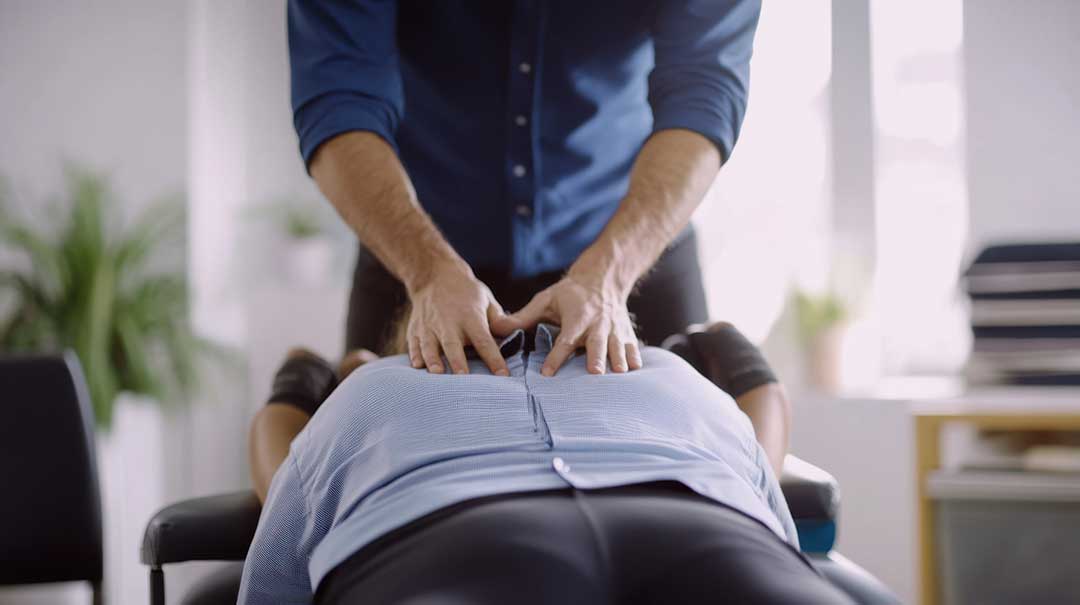
- Gentle spinal adjustments can help improve joint movement and reduce muscle tightness.
- Soft tissue work addresses muscular tension that restricts motion.
- Exercise guidance and movement advice are often provided, including recommendations that suit local infrastructure and seasonal weather.
Together, these methods aim to make daily activities—like walking to a local café, navigating home stairs, or carrying groceries—feel easier and safer.
How Does Chiropractic Care Actually Improve Mobility in Seniors?
Chiropractic care can promote better movement in specific, evidence-based ways. Improvements in joint flexibility, muscle balance, and posture are all possible, with practical impact on real-life tasks.
- Increasing Joint Range of Motion: Targeted adjustments can gently improve how joints in the spine, hips, knees, and shoulders move.
- Encouraging Muscle Coordination: Realigning joints helps muscles fire more efficiently, supporting balance on uneven residential sidewalks and reducing "shuffling" steps.
- Managing Stiffness and Discomfort: Relief from chronic pain or soreness can motivate more confident walking, climbing stairs, or participating in community activities.
Residents have reported feeling less fearful of falling and more willing to engage in neighborhood walks or local exercise classes after addressing mobility restrictions.
Is Chiropractic Care Safe for Older Adults?
Yes, with proper adaptation. Chiropractors trained in geriatric care use techniques specifically modified for people with osteoporosis, joint replacements, spinal arthritis, or other common senior conditions.
Some practical adaptations include:
- Using lighter force and smaller movements
- Avoiding areas of acute inflammation or severe degeneration
- Reviewing individual health history, medications, and any recent injuries
- Coordinating with physicians when necessary
It’s a misconception that chiropractic care is only for younger adults or those with back pain. Safe, customized approaches can serve the needs of the aging population as well.
What Mobility Improvements Do Local Seniors Commonly Notice?
Many older residents in the area wish to remain involved in community events or maintain their ability to stay in their homes. Seniors often report:
- Less joint stiffness in the morning, allowing for more enjoyable participation in walking groups, gardening, or errands
- Greater ease getting in and out of cars or public transit, which can be helpful for accessing local shops or appointments
- Improved posture, making it easier to see obstacles while walking and reducing the risk of falls on sloped driveways or icy winter paths
These seemingly small gains often have a big emotional impact, helping people maintain routines, independence, and social activities.
What Should Seniors in Beacon Watch Out for at Home and in the Community?
Mobility support doesn’t only occur in an office. At home and around the city, certain factors can either support or hinder movement:
- Flooring: Loose rugs or uneven door thresholds can be trip hazards.
- Lighting: Inadequate lighting in hallways or entranceways increases risk, especially for those with slower reaction times.
- Outdoor Conditions: Snow and ice present seasonal challenges, while autumn leaves can create slick surfaces on local sidewalks.
- Seating: Low or overly soft furniture can make it harder to stand up and move around.
Chiropractic care often coaches seniors on optimizing their environments for safer, more comfortable movement.
Are There Misconceptions About Chiropractic and Senior Mobility?
Many assume that chiropractic is only for acute injuries or back pain, or that adjustments are too forceful for frailer bodies. Modern chiropractic care for seniors in the city is typically gentle and closely coordinated with a person's unique medical situation. Another mistaken belief is that nothing can be done for age-related stiffness or loss of flexibility—a proactive, individualized plan often leads to meaningful changes.
Local seniors should feel empowered to ask questions, share concerns, and seek information tailored to their lifestyles and goals.
What Can Seniors Do Alongside Chiropractic Care to Support Mobility?
Improving mobility is most effective as part of a broader lifestyle. In addition to periodic professional care, many older adults in the area benefit from:
- Walking regularly, using local parks and pedestrian paths
- Gentle stretching or movement classes found at community centers
- Safe home modifications, such as grab rails in bathrooms or non-slip mats in entryways
- Adapting routines seasonally, like wearing supportive footwear during winter or carrying a walking stick when sidewalks are icy
- Staying hydrated and maintaining nutrition, as these influence muscle and joint health
Attending city recreation programs or connecting with peer groups for regular activity can provide social motivation and support, helping local seniors turn small changes into lasting habits.
